Dual GIP / GLP-1 receptor agonist
Tirzepatide
A once-weekly injection that acts on two hormone pathways, GIP and GLP-1, involved in appetite and blood-sugar regulation.
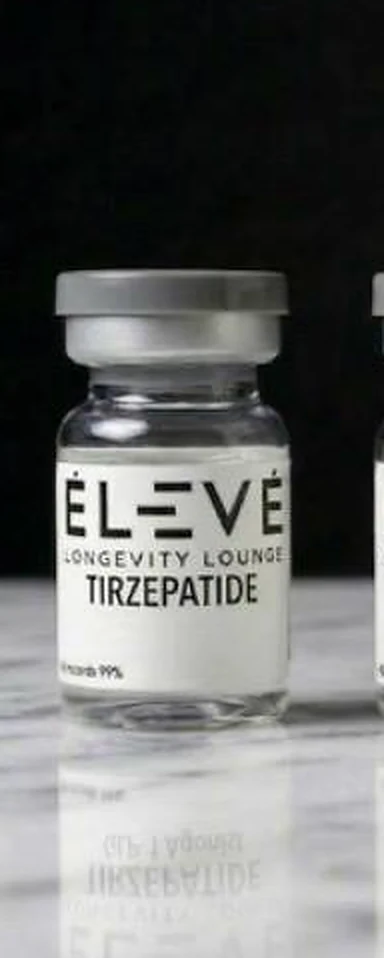
- Class
- Dual GIP / GLP-1 receptor agonist
- How it's given
- Once-weekly injection under the skin
- Dosing
- Starts low, increased gradually
- Before starting
- Labs + provider evaluation
Benefits
What tirzepatide may do for you
Two pathways
Activates both GIP and GLP-1 receptors, two gut hormones involved in appetite and metabolism.
Reduced appetite
Can lower hunger and help you feel satisfied with smaller portions.
Fuller for longer
Slows stomach emptying, which can extend fullness after meals.
Blood-sugar support
Helps the body release insulin when blood sugar rises and can improve how the body responds to insulin.
Once a week
A single weekly injection rather than a daily routine.
Extensively studied
Tirzepatide is the active ingredient in FDA-approved medications for chronic weight management and type 2 diabetes.
Results vary. Medication works best alongside nutrition, activity, and regular follow-up, and no specific amount of weight loss is guaranteed.
How it works
The science, simply.
GIP and GLP-1 are hormones released by the gut after eating. Together they help signal fullness, slow digestion, and regulate blood sugar.
Tirzepatide is a single molecule that activates receptors for both hormones, and it lasts long enough in the body to be taken once a week.
What to expect
Your tirzepatide program, step by step
- 01
Labs and medical evaluation
Every patient completes the Core Clearance lab panel and a consultation with a licensed provider before anything is prescribed.
- 02
A low starting dose
Treatment starts at a low dose so your body can adjust.
- 03
Gradual increases
The dose is typically increased about every four weeks, as tolerated, until your provider reaches a maintenance dose.
- 04
Regular check-ins
Your clinical team reviews progress, side effects, and body composition, and adjusts the plan as needed.
Safety
Side effects and who it’s for
- Nausea
- Diarrhea
- Vomiting
- Constipation
- Stomach pain or discomfort
- Indigestion or heartburn
- Injection-site reactions
- Tiredness
- Burping
- Hair loss
- Inflammation of the pancreas (pancreatitis): severe stomach pain that may spread to the back
- Gallbladder problems, including gallstones
- Low blood sugar, especially if you also take insulin or a sulfonylurea
- Kidney problems, often from dehydration caused by vomiting or diarrhea
- Serious allergic reactions
- Vision changes in people with type 2 diabetes (diabetic retinopathy)
- Increased heart rate
- Depression or thoughts of self-harm
- Food or liquid entering the lungs during anesthesia or deep sedation; tell any surgeon or anesthesiologist you take this medication
- A personal or family history of medullary thyroid carcinoma (MTC)
- Multiple Endocrine Neoplasia syndrome type 2 (MEN 2)
- A prior serious allergic reaction to the medication or its ingredients
- Pregnancy
- Pancreatitis, gallbladder disease, or kidney problems
- Type 2 diabetes, especially if you use insulin or a sulfonylurea
- Diabetic retinopathy
- Depression or thoughts of self-harm
- Breastfeeding or plans to become pregnant
- Any upcoming surgery or procedure that requires anesthesia
- You use birth control pills: tirzepatide may make them less effective. Use a non-oral method, or add a barrier method, for 4 weeks after starting and for 4 weeks after each dose increase
Tirzepatide is the active ingredient in FDA-approved prescription medications. If your prescription is filled by a state-licensed compounding pharmacy, that compounded medication is not FDA-approved, and the FDA does not review compounded drugs for safety, effectiveness, or quality. Prescription treatments require a medical evaluation by a licensed provider, who decides whether a treatment is appropriate for you. Not everyone qualifies. See Important Safety Information.
FAQ
Questions about tirzepatide
How is tirzepatide different from semaglutide?
Semaglutide acts on the GLP-1 receptor. Tirzepatide acts on both GLP-1 and GIP receptors. Your provider chooses based on your health history, goals, and how you respond.
How soon will I notice a difference?
Many people notice changes in appetite within the first few weeks, but doses are increased gradually over several months and every person responds differently.
Does it affect birth control?
It may reduce the effectiveness of birth control pills. Use a non-oral method or add a barrier method for 4 weeks after starting and after each dose increase.
What happens if I stop?
Many people regain weight after stopping. Your provider will talk with you about a long-term plan, including nutrition and activity.
What if I miss a dose?
Follow the missed-dose instructions your provider gives you. Don't take two doses close together to catch up.
Keep exploring

Semaglutide
A once-weekly injection that mimics GLP-1, a hormone your gut releases after eating. For adults who qualify, it can reduce appetite and help you feel full sooner and longer.
Learn about semaglutide →
Medical weight loss at Élevé
How the GLP-1 program works, who may be a candidate, and what's included.
View the program →Start here
Ask a provider whether tirzepatide is right for you.
A two-minute eligibility check, then a consultation with our clinical team.
Check eligibilityPrescription treatments require a medical evaluation by a licensed provider, who decides whether a treatment is appropriate for you. Not everyone qualifies.